

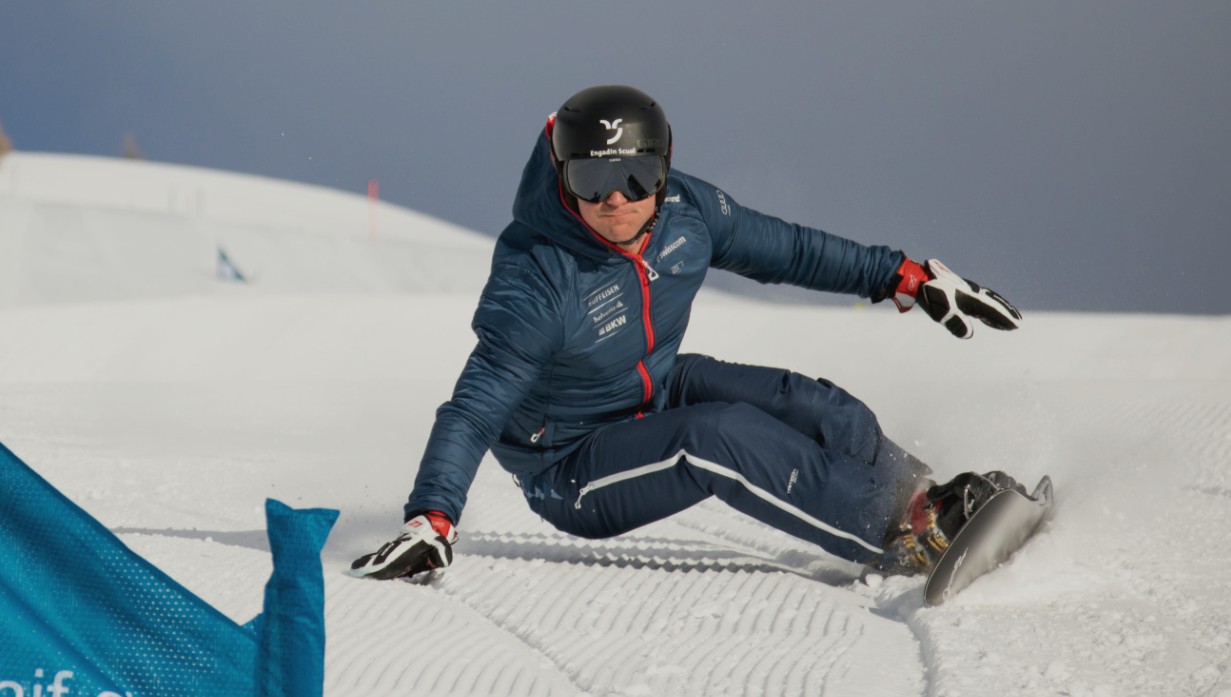
CLARIFY WHAT LIMITS YOUR TRAINING — BEFORE YOU ADD MORE
A short diagnostic for athletes who train consistently,
★★★★★ 200+ riders & athletes trust ATHL.
Takes ~3 minutes · Diagnostic only · One-time access
WHY HARD-WORKING ATHLETES STILL STALL OR GET INJURED
Most athletes don’t break down because they lack effort.
They break down because their training lacks clear priorities and risk control.
Sessions accumulate. Volume increases.
Yet progress feels unreliable — and knees or shoulders start to complain.
When structure is unclear, effort turns into noise.
And noise eventually turns into setbacks.
Before adding more training, you need clarity.

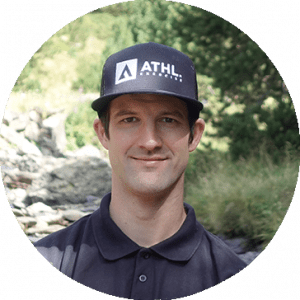
BUILT BY A COACH WHO SEES THE PATTERNS
I’m Albert Piñol (MSc, DHE, MAT Certified), a specialist in exercise science, biomechanics, and performance with over 20 years of experience working with athletes and performance teams.
Across sports — and especially in snowboarding — the same pattern repeats:
athletes get stuck or injured not because they don’t work hard,
but because they follow generic routines without understanding where risk accumulates.
Research consistently shows that when training is structured, monitored, and individualized:
· Injury risk can be reduced by up to 50%
· Functional performance improves by 20–30%
· Strength capacity can increase by 25–100% over time
That’s why ATHL exists, to replace guesswork with structure and informed decision-making.
Trusted by riders and performance teams since 2011.


WHAT THIS ASSESSMENT IS
The ATHL Training Assessment (ATA) is a structured training diagnostic. Its role is not to coach you — but to guide training decisions by exposing risk and instability. Specifically, it helps identify:
Screen most severe snowboarding injury breakdown points (knee & shoulder)
Whether your current structure can realistically sustain load and intensity
What your training does not currently evaluate or control
WHO THIS IS FOR
This assessment is a good fit if:
✔ You already train or ride consistently
✔ You want to reduce knee & shoulder injury risk
✔ You care about long-term reliability, not short-term intensity
This is probably not a good fit if:
✘ You’re looking for a quick fix
✘ You want a generic program or template
✘ You don’t train regularly
Takes ~3 minutes · Diagnostic only · One-time access

TAKE THE FIRST STEP
Takes ~3 minutes · Diagnostic only · One-time access